In an increasingly interconnected world, many young people have limited opportunities to engage directly with diverse cultures and perspectives. Global issues such as inequality, climate change, gender disparities, and access to education are often discussed in abstract ways, making it difficult for students to fully understand their real-life implications.
There is a growing need for educational approaches that connect global challenges to lived experiences, fostering intercultural understanding, empathy, and active global citizenship.
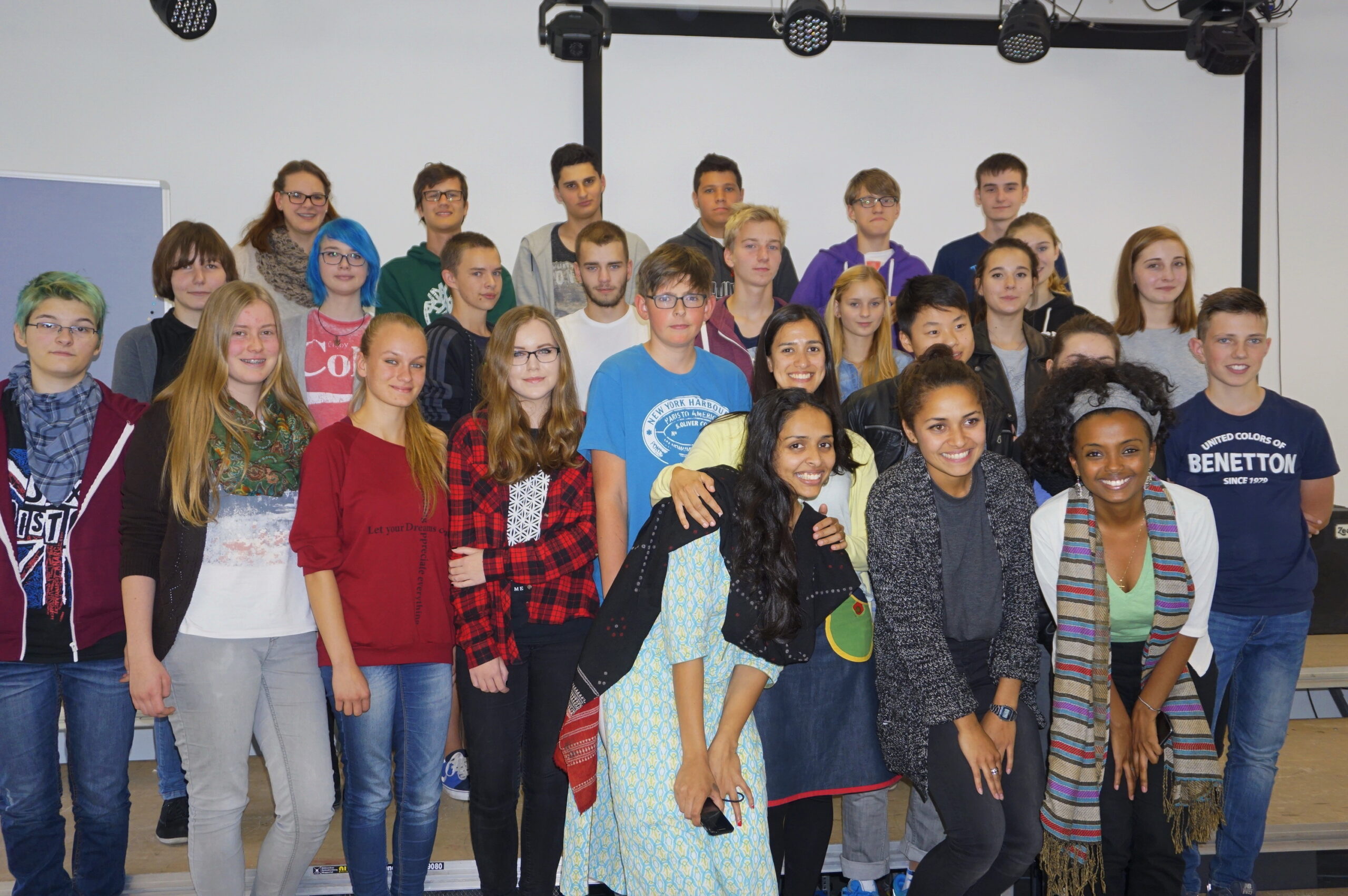
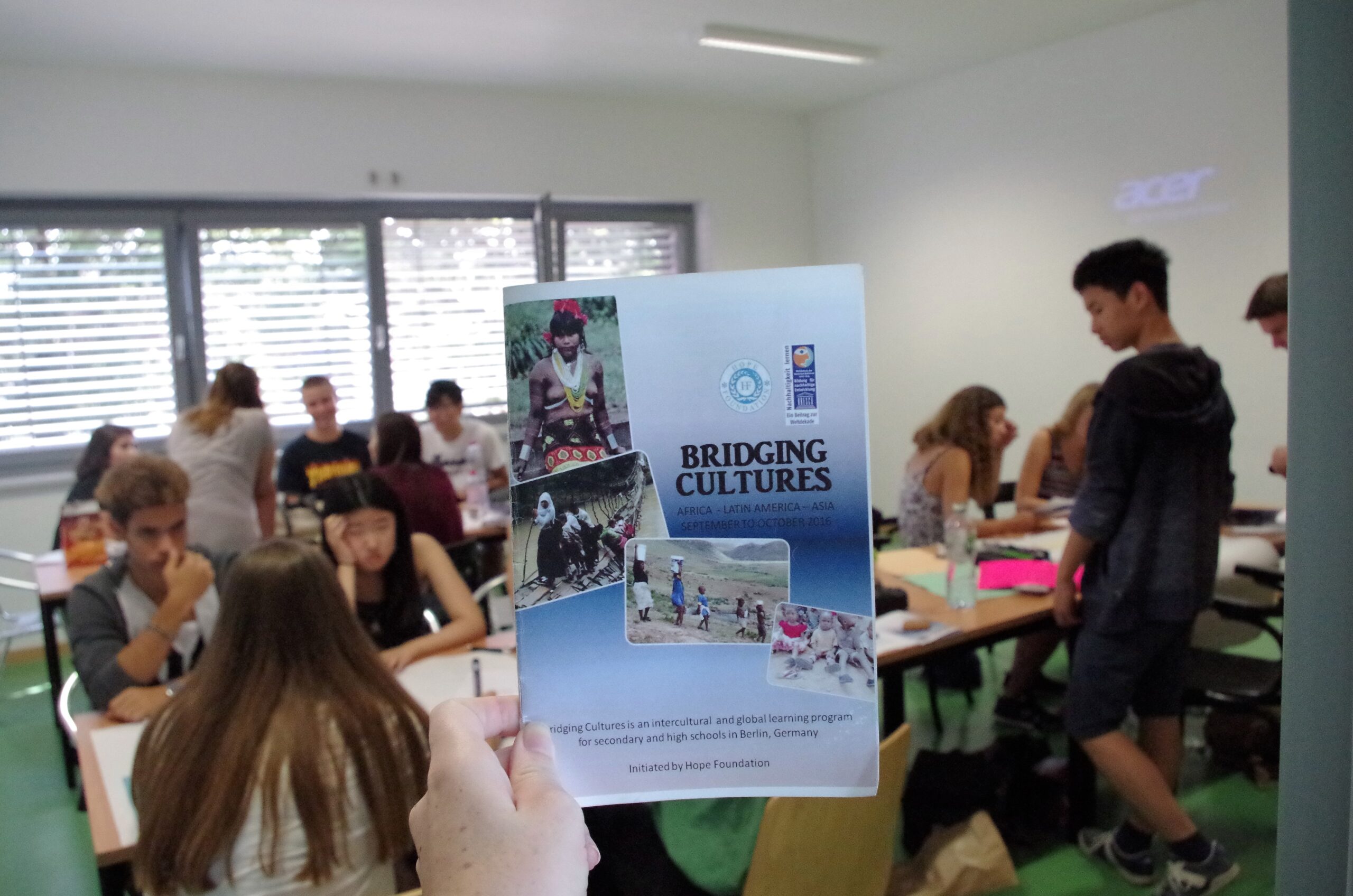
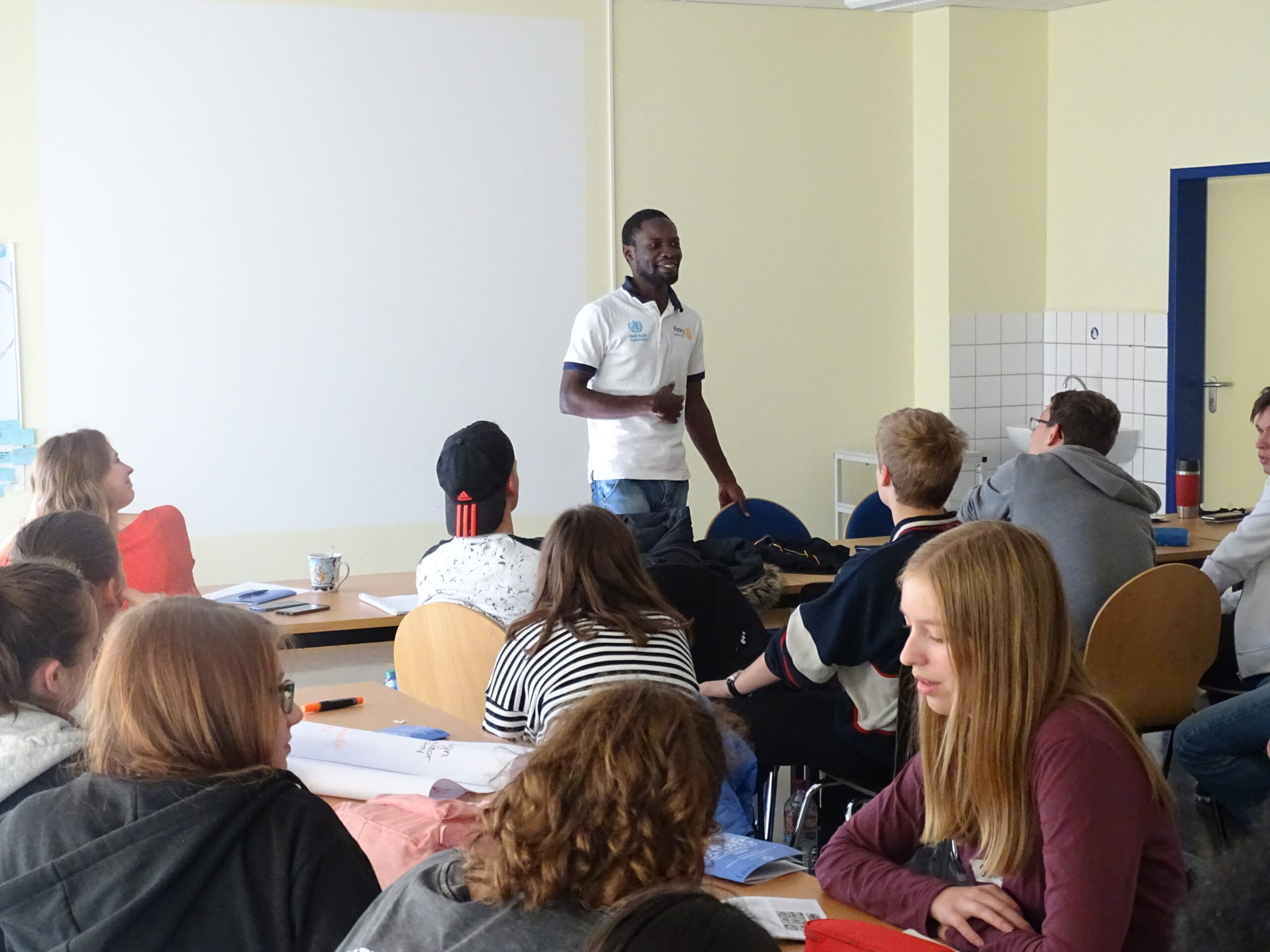
Bridging Cultures is a global learning initiative that promotes intercultural dialogue and raises awareness of key global issues aligned with the Sustainable Development Goals (SDGs). The program brings together experienced trainers from diverse regions including Africa, Asia, and Latin America to engage directly with high school students in Berlin.
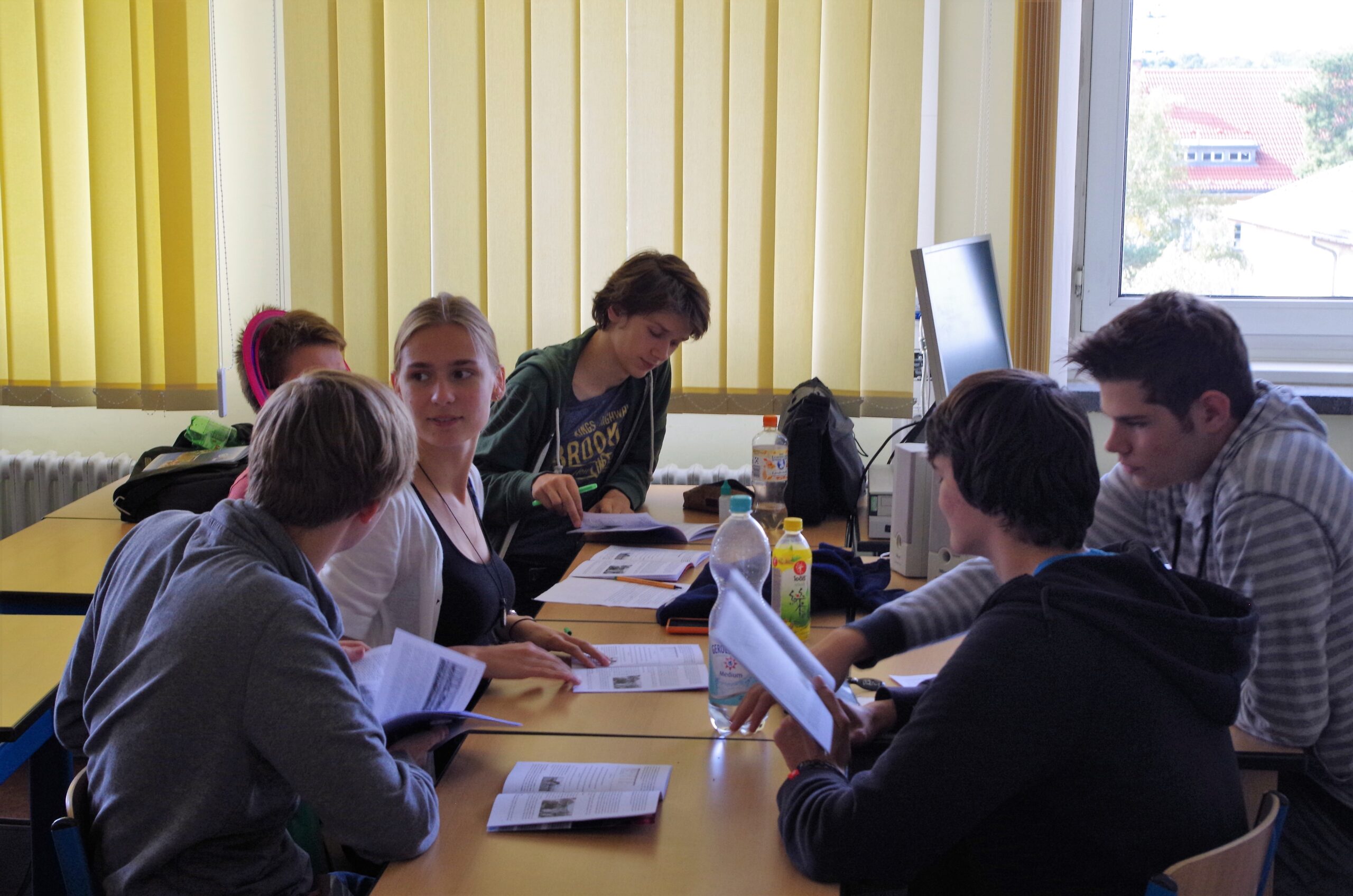
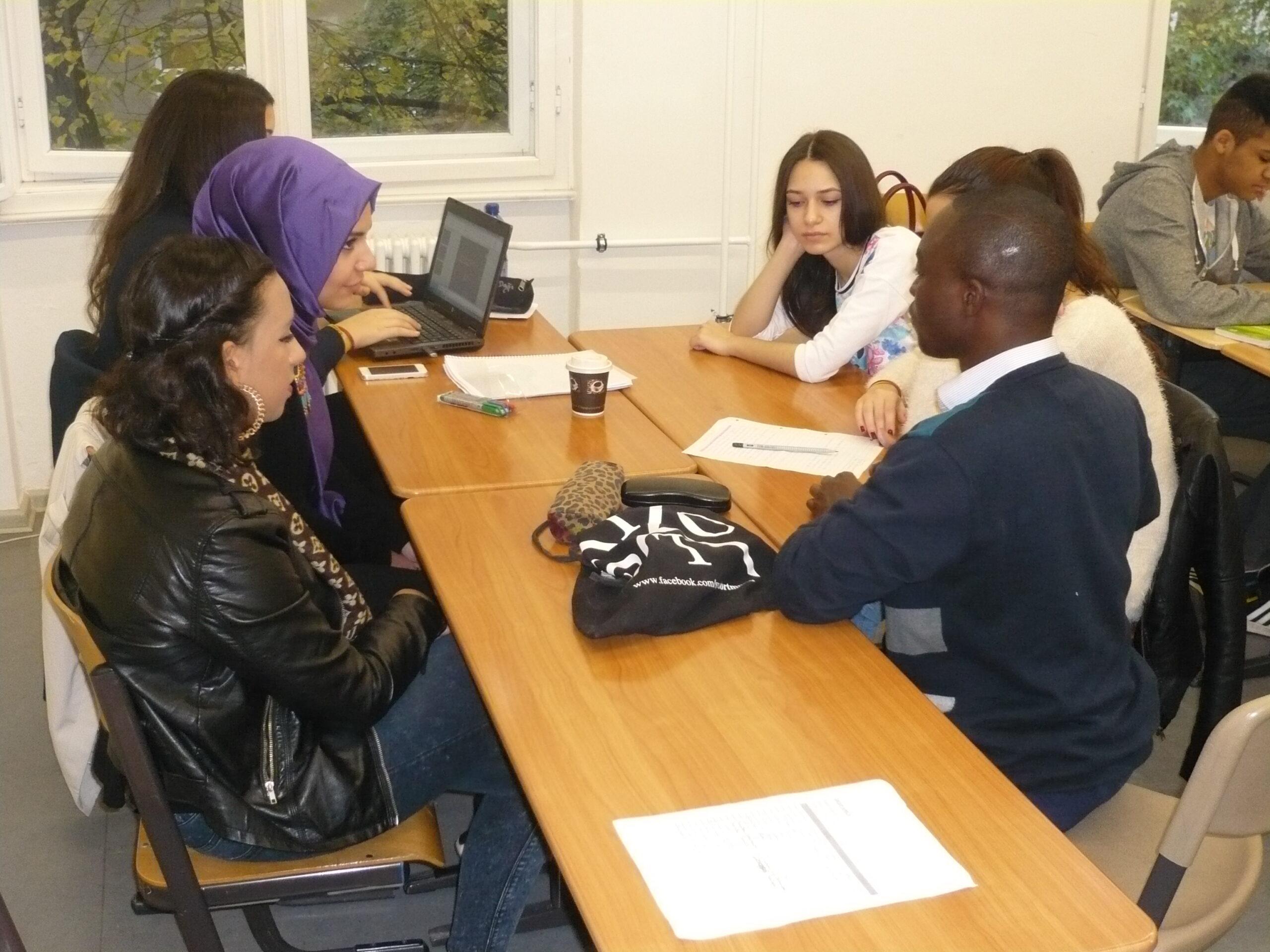
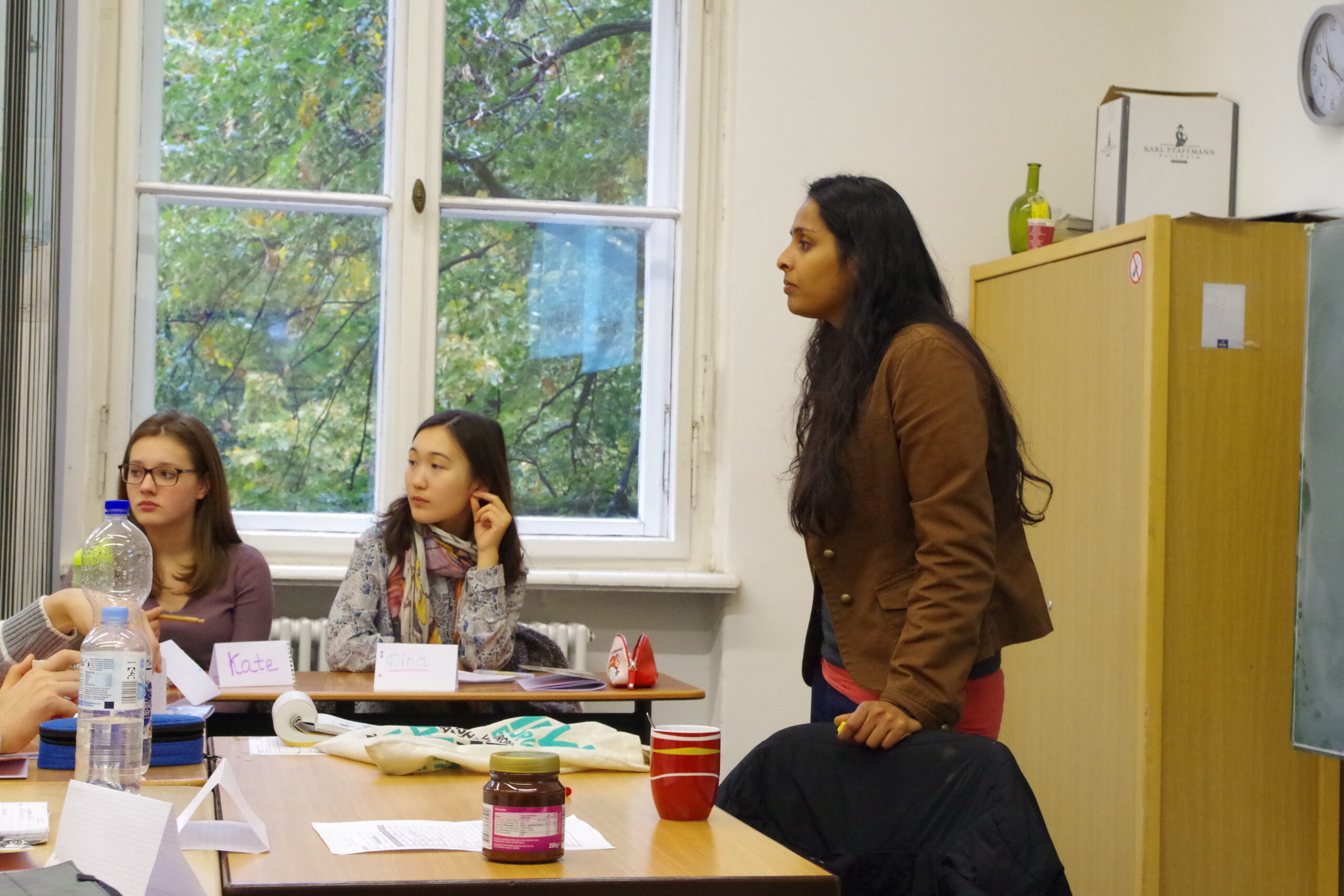
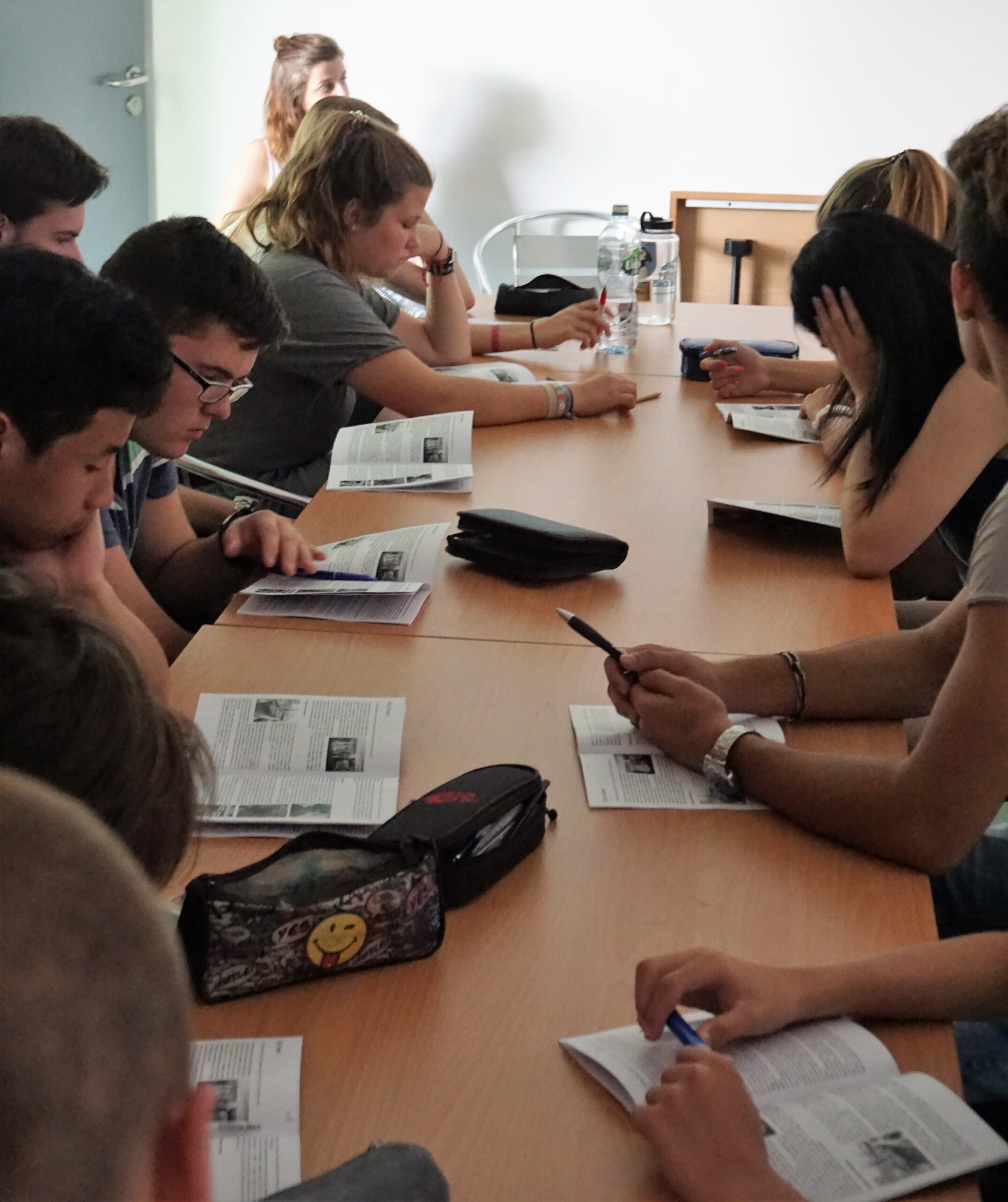
Through interactive workshops and discussions, students explore important topics such as poverty, environmental sustainability, gender equality, peace and security, and access to education. By linking these themes to real-life experiences from different parts of the world, the program creates meaningful learning spaces that encourage dialogue, reflection, and mutual understanding.
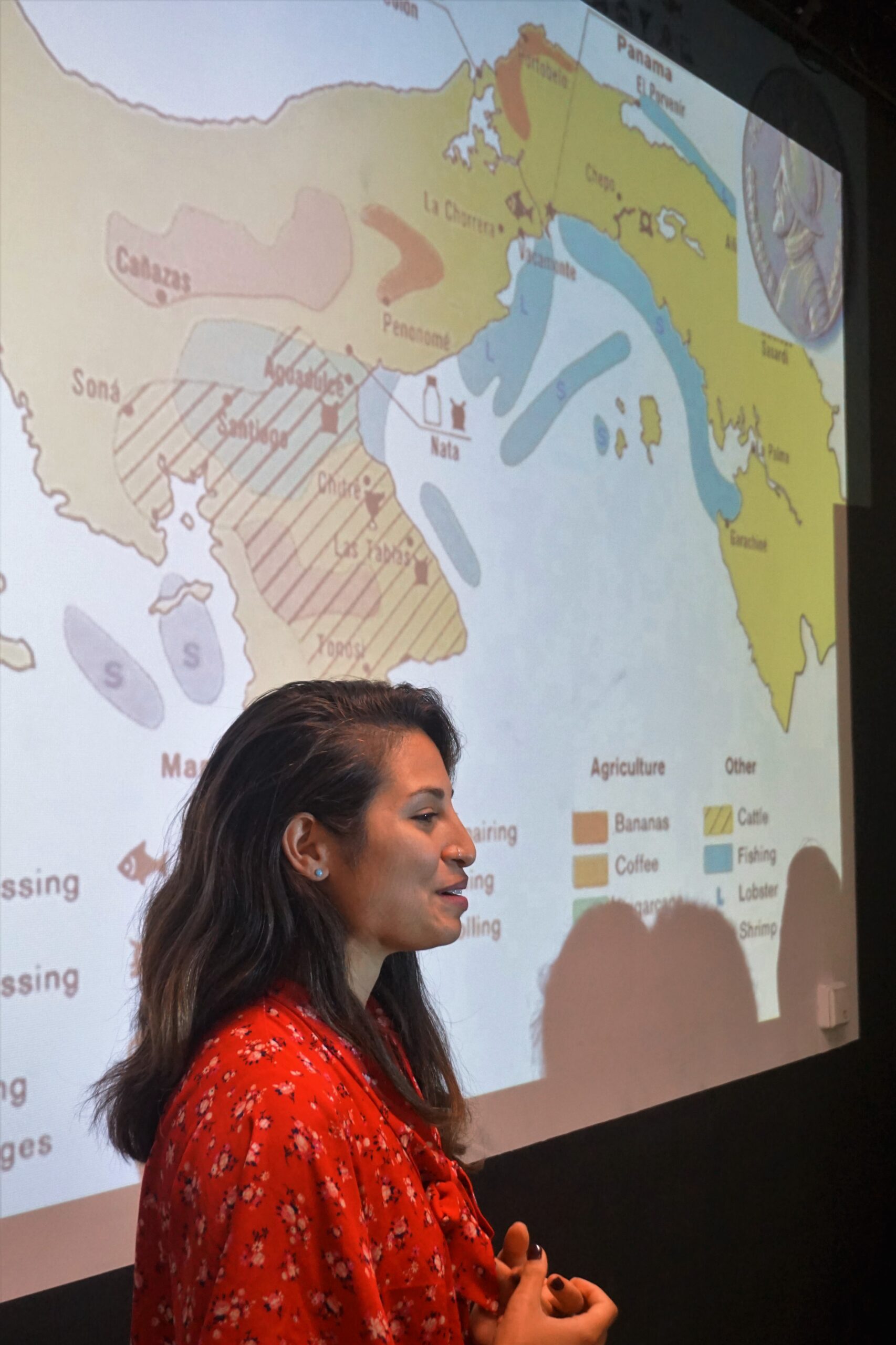
We facilitate interactive sessions in schools where international trainers share personal insights and perspectives on global issues and cultural experiences.
We organise discussions, movie evenings, talks, and debates that encourage students to critically engage with global issues and exchange diverse viewpoints.
Students explore key global challenges through the lens of the Sustainable Development Goals, connecting theory with real-world contexts.
Through activities exploring music, food, traditions, and everyday life—as well as events like Spoons for Change cooking sessions—participants discover cultures while engaging in meaningful conversations.
Through Bridging Cultures, students gain a deeper understanding of global challenges and diverse perspectives. The program fosters empathy, critical thinking, and openness. Recognized by UNESCO for Education for Sustainable Development, it empowers young people to become active global citizens and contributors to a more inclusive and sustainable world.
School workshops: 2 sessions per school year (1st session: 1st semester, September–December; 2nd session: 2nd semester, January–April)
Spoons4Change: Twice a year (February–March & October–November)
Additional events such as film nights, panel discussions, and workshops for interested Berliners: Twice a year (February–March & October–November)
Knowledge of the UN Sustainable Development Goals (SDGs)
Participants in our educational events learn about the SDGs, their history, how they differ from the Millennium Development Goals, and their global implementation.
Speakers from the Global South provide authentic accounts of local challenges and connect them to global contexts.
Awareness of global interconnections
The goal is to strengthen participants’ awareness of the connection between their own behavior and global living conditions.
Topics such as migration, human rights, and social justice are intended to encourage participants to recognize the world as a network of interdependencies.
Highlighting options for action in development policy
Participants in our educational events learn about options for action to engage in development policy in various ways in the future.
This experience opened my eyes to perspectives I had never considered before. Listening to real stories from different parts of the world made global issues feel personal and real.
Promote dialogue and understanding across cultures
Be part of a global exchange that connects people and ideas.